
What to Plan Before You Pour a New Driveway
The key considerations for concrete driveway installation start with planning, site prep, and proper curing. You need the right base, correct thickness, good drainage, and enough time for the concrete to set. Skipping any of these steps can lead to cracks, sinking, or water damage later. A well-planned project gives you a driveway that lasts for decades with fewer repairs.
What You Need Before Starting
Before concrete driveway installation begins, take time to review your property layout and soil condition. Walk the area where the driveway will go. Look for soft spots, tree roots, or standing water after rain. These signs tell you the ground may need extra prep.
You should also check local building codes and permit rules. Some cities require specific thickness or reinforcement. If you live in a cold climate, frost depth matters too.
Here are basic items needed for most projects:
- Gravel or crushed stone for the base
- Wood forms to shape the driveway
- Rebar or wire mesh for strength
- Ready-mix concrete
- Finishing tools and curing compound
Planning these details ahead of time helps avoid delays once the concrete truck arrives.
Step-by-Step Process
Every successful concrete driveway installation follows clear steps. Each one builds on the next.
- Excavate the area to the proper depth. This usually means removing several inches of soil.
- Install and compact the gravel base. A solid base prevents shifting and cracking.
- Set wooden forms along the edges. These hold the concrete in shape.
- Place rebar or wire mesh for added strength.
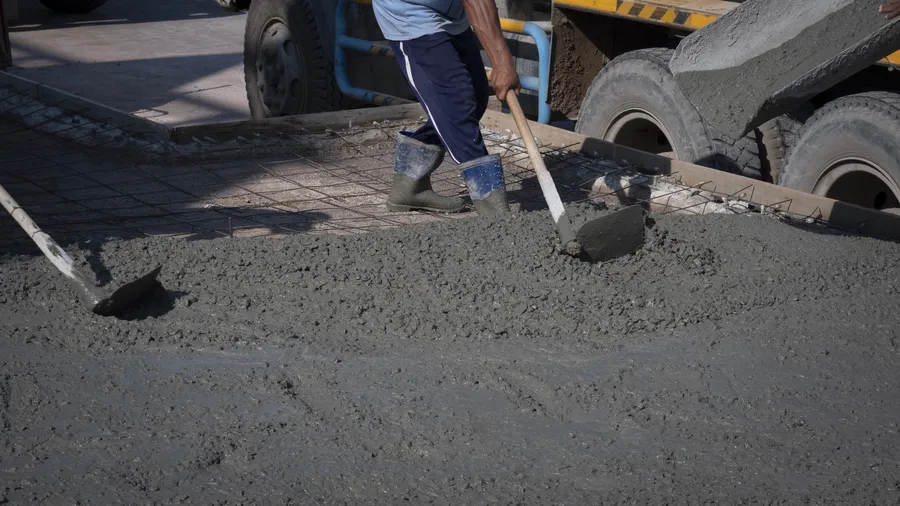
- Pour the concrete evenly across the area.
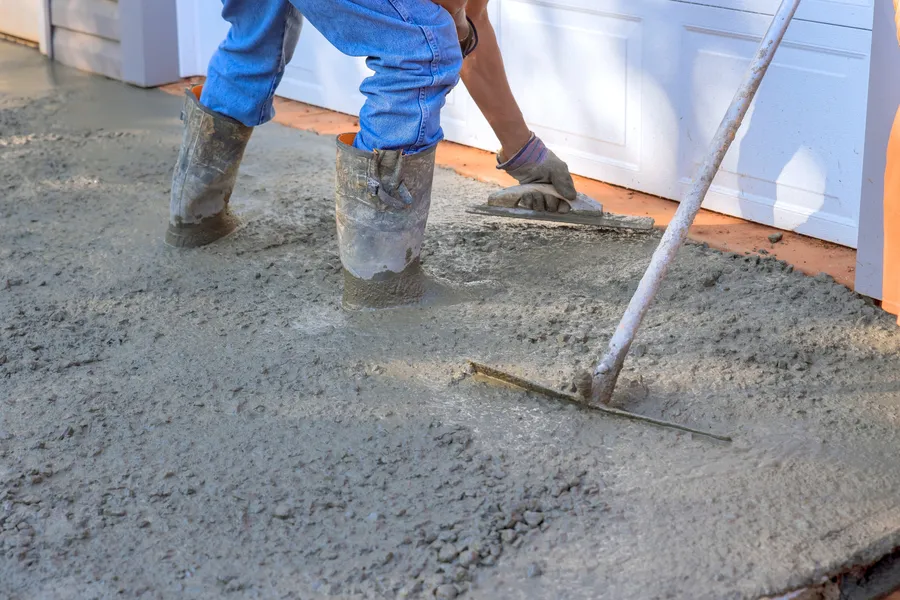
- Level and smooth the surface using finishing tools.
- Add control joints to guide natural cracking.
- Allow the concrete to cure without heavy traffic for at least several days.
Rushing any of these stages can cause long-term problems. For example, a weak base often leads to uneven settling within the first year.
Common Mistakes to Avoid
One common mistake is pouring concrete over poorly compacted soil. The driveway may look fine at first, but it can sink in sections after heavy rain.
Another mistake is making the slab too thin. Standard residential driveways are often four inches thick, but areas with heavy vehicles may need more depth.
Poor drainage is another problem. If water pools along the edges, it can weaken the soil underneath. Over time, this leads to cracks and erosion.
Skipping control joints is also risky. Concrete naturally cracks as it cures. Joints help guide those cracks so they are less visible and more controlled.
When to Call a Professional
Some homeowners attempt concrete driveway installation on their own. Small walkways may be manageable. A full driveway is a bigger job.
You may want professional help if:
- The driveway is long or steep
- The soil is unstable or sandy
- Heavy vehicles will use the surface
- You want decorative finishes like stamping or staining
Professionals have the equipment to grade the surface properly and pour large sections quickly. Timing matters because concrete begins to set fast. A trained crew can place and finish the slab before it hardens too much.
Hiring experts can also reduce waste. Ordering too much or too little concrete adds cost and stress. Experienced installers calculate the right amount based on size and thickness.
Final Thoughts on Planning Your Project
Good planning makes concrete driveway installation smoother and more reliable. Focus on a stable base, proper thickness, good drainage, and careful curing. Think about how the driveway will be used in daily life. Will it handle heavy trucks? Will it connect to a garage with a slope? Small details now can prevent repairs later.
If you are planning a new driveway in Avon, IN, local soil and weather can affect the process. At Thornton Brothers Concrete LLC, we handle every step of the job from grading to finishing. We take time to prepare the ground properly and use proven methods for long-lasting results. If you have questions about your project or want to schedule a consultation, call us at (317) 440-6046 and we will be glad to help.